Austria's 'Anti Brain Rot' Experience
How going offline can help reconnect mind, body and nature
Introduction
Austria Tourism invited Gen Z participants from the UK and the Netherlands to take part in a five-day offline self-experience.
In a world of constant notifications, endless scrolling and digital overstimulation, the term "brain rot" has become a defining expression for a growing challenge among younger generations. While not a medical diagnosis, it describes the feeling of mental overload, reduced attention spans, brain fog and difficulty concentrating caused by excessive digital consumption. Recent research commissioned by Austria Tourism found that 60% of Gen Z in the UK struggle to concentrate without checking their phones, while almost three quarters would like to spend less time on screens.*
To explore what happens when people intentionally step away from digital routines, Austria Tourism invited a group of Gen Z participants from the UK and the Netherlands to take part in "Anti Brain Rot" – a five-day offline self-experience designed to replace passive screen time with meaningful, hands-on experiences in nature.
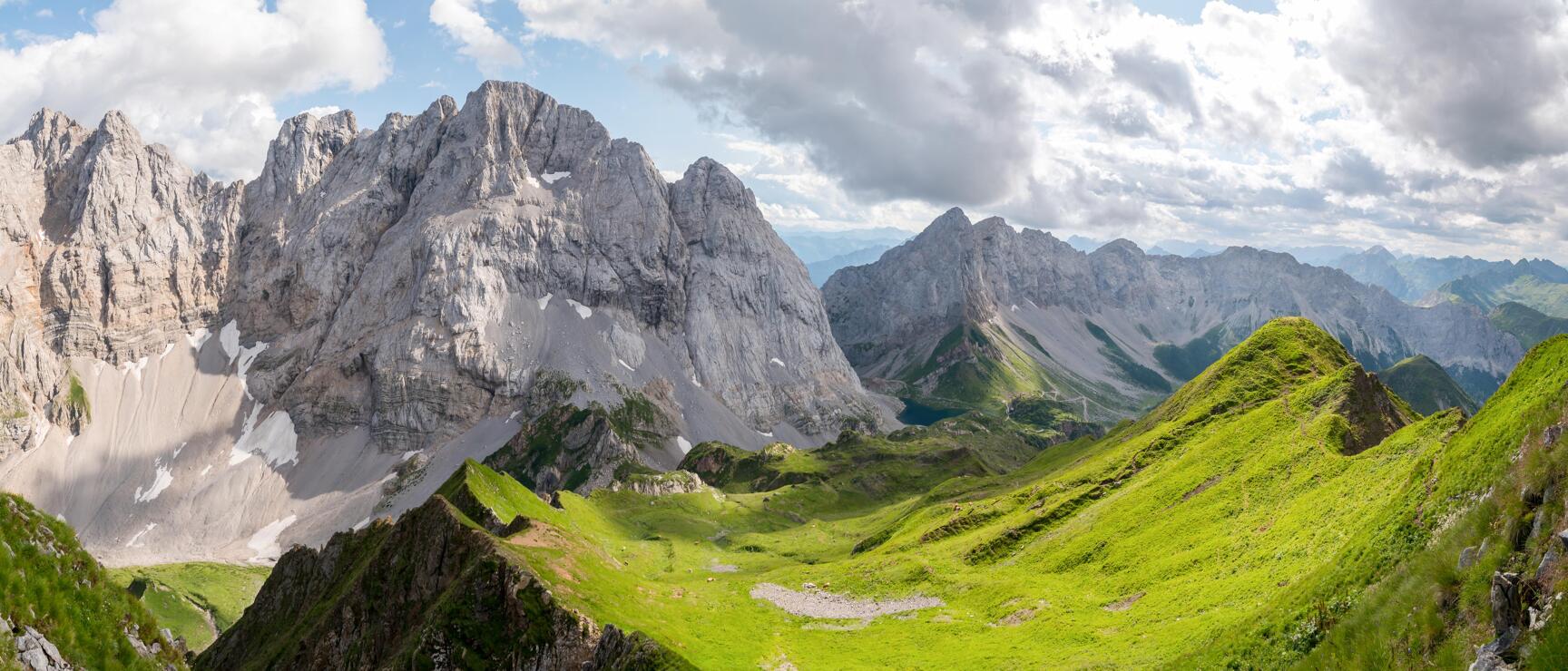
Set in the Lesachtal Valley in Austria’s southermost province Carinthia, one of Europe's most unspoilt alpine landscapes and a certified Slow Food and Slow Travel destination, the programme encouraged participants to reconnect with themselves, with others and with the natural world. Throughout the journey, smartphones stayed in their pockets while authentic encounters, craftsmanship, movement and regional cuisine took centre stage.
The experience was accompanied by neuroscientist Dr. Bernd Hufnagl and psychologist Dr. Bardia Monshi, who shared scientific insights into how digital habits affect our brains, attention spans and mental wellbeing. Their sessions explained why immersive real-life experiences create stronger memories, reduce mental overload and stimulate new neural connections.
Every activity throughout the programme reflected a different aspect of Austria's way of life
A healing hike to Obergailer See with Peintnerhof hosts Dr. Georg Lexer and Andrea Unterguggenberger demonstrated how alpine landscape, silence and movement can help restore both body and mind.
At hepi Lodge, Helene and Pepi welcomed participants into their carefully restored 13th-century farmhouse. Between alpine yoga sessions, homemade Schlipfkrapfen cooked over an open fire, and relaxing in the sauna and outdoor jacuzzi, participants experienced the value of slowing down and being fully present.
Herbal expert Klara Obernosterer introduced the group to the traditional knowledge of wild mountain herbs during a garden-to-table experience, highlighting how local plants have supported health and wellbeing in the region for generations.
The historic Mills Trail of Maria Luggau, guided by Helene Lugger, offered insight into the centuries-old craftsmanship that still shapes daily life today. The working mills continue to produce the flour used for the valley's renowned traditional bread.
At Guggenbergerhof, Tanja Guggenberger taught participants how to bake authentic Lesachtal sourdough bread — a craft that perfectly illustrates that some of life's most valuable things simply cannot be rushed.
The journey continued at Nature Park Region Lake Weissensee, where nature park ranger Paul Ulrich introduced the region's unique flora, fauna and cultural landscape while exploring one of Austria's cleanest alpine lakes.
The culinary finale took place at Hotel zum Weissensee, where award-winning chef Franziskus Koch and Laura Koch showcased a cuisine deeply rooted in regional identity. During a cooking workshop, participants learned how to prepare the native Weissensee carp before enjoying the hotel's signature 5-Soul-Kitchen Menu — a dining experience built around seasonal ingredients, local producers and respect for nature.
More than a digital break, Anti Brain Rot demonstrated how meaningful travel can actively engage both body and mind. Rather than simply escaping everyday life, participants immersed themselves in experiences that demanded curiosity, attention and participation — returning home not only with memories, but with fresh perspectives and what Austria Tourism calls "Austrian Synapses": meaningful moments that continue to resonate long after the journey has ended.
*Representative online survey, Feb/Mar 2026, n=1,000, ages 18–75 (as referenced in the study materials).
*Gen Z, people born between 1997 and 2007.

Download the full press release here.
More pictures in the media archive.